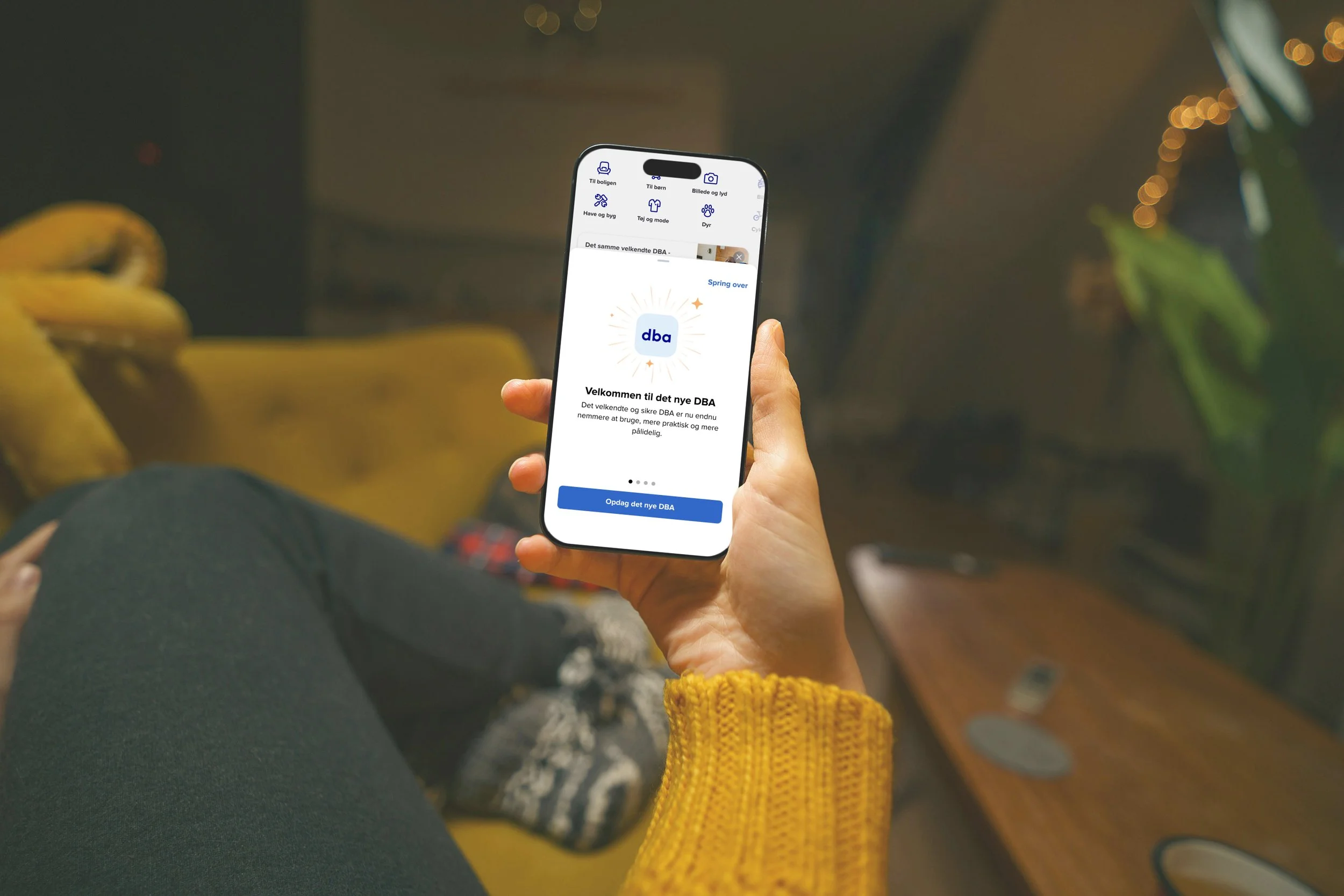
Product strategy, facilitation, user experience
Vend transition
Migration and localization of Vend marketplace brands to a shared technology platform and a unified product model
2023-2026
After Schibsted split into two separate companies, Media and Marketplaces, a new brand identity was created for the marketplaces under the name Vend. Vend consists of four established online marketplaces across the Nordics: FINN (Norway), Blocket (Sweden), Tori (Finland), and DBA (Denmark). While each brand had a strong presence in its local market, they now needed to operate under a shared brand and transition to a single core product.
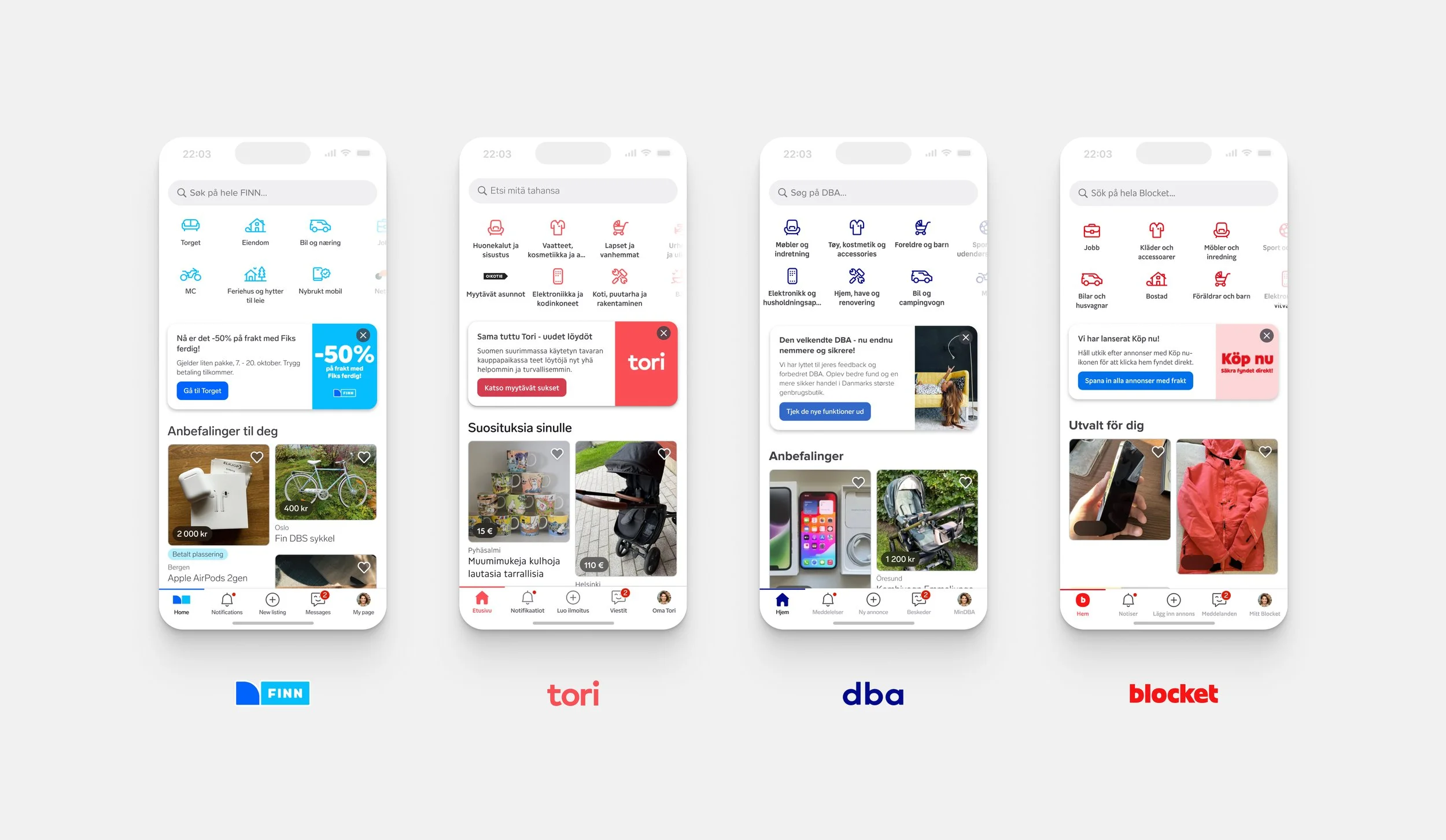
On the product side, this meant aligning FINN, Blocket, Tori, and DBA into one unified experience based on the FINN model.
Through strategy workshops, technical mapping, and cross-team collaboration, we identified gaps and opportunities across the four marketplaces and introduced features and design patterns that ensured a consistent, seamless user experience.
What
To harmonize all Nordic marketplaces under the Vend umbrella, we underwent an organization-wide technical and product transition over the course of several years, to create a shared core product across all brands while preserving each marketplace's local identity and unique product needs.
My role
Alongside contributing to strategy, facilitating workshops, and driving collaboration, I led the transition of our team’s product domain. My responsibilities included mapping product features and user flows, adapting designs to local market needs and the new design system, collaborating with local UX writers on translation and tone of voice, and continuously incorporating user feedback while balancing business and user needs throughout the transition.
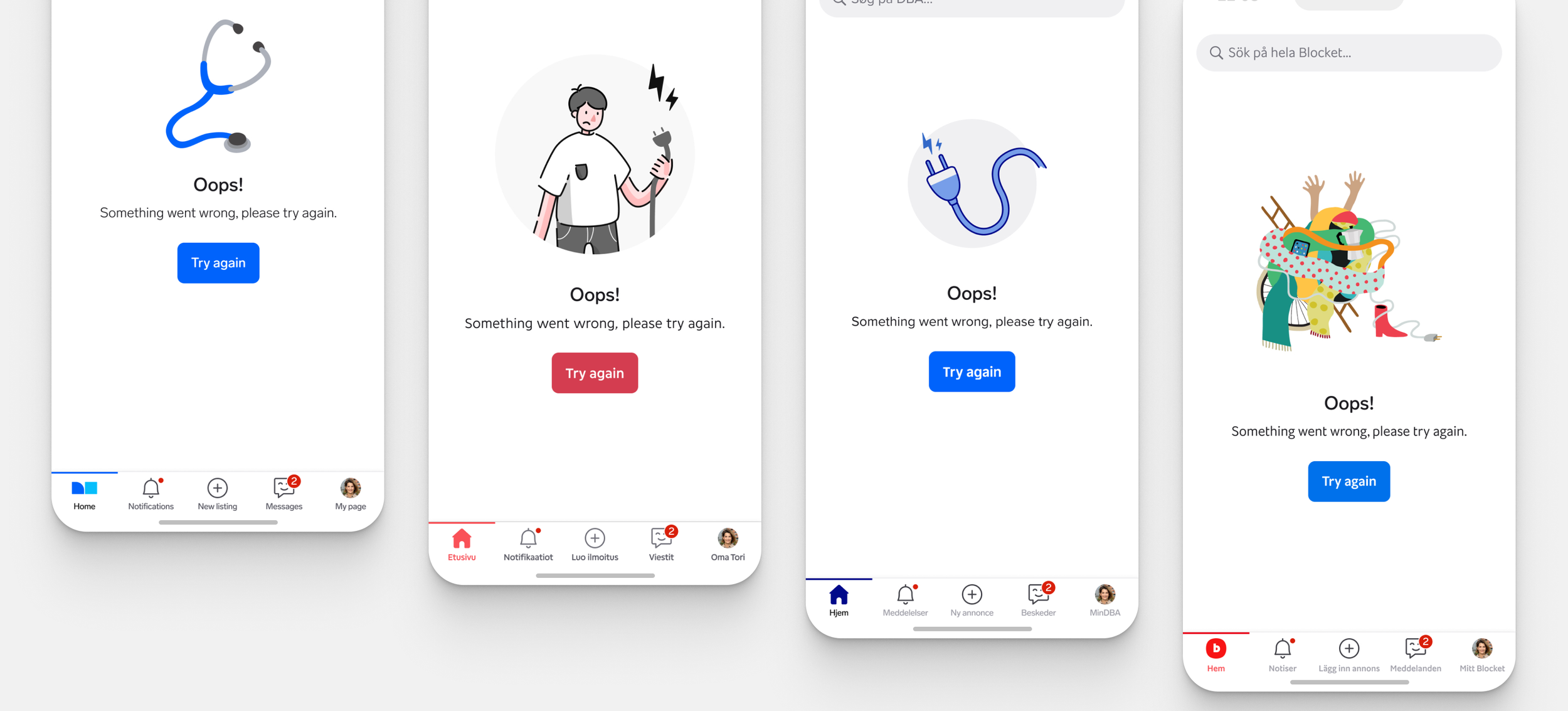
One design system, four brands
A key part of the transition was implementing the new Warp design system, created to support all four Vend marketplaces while maintaining each brand's unique identity. Working closely with the design system team, we adapted the new system into our product domain, ensuring components and patterns were consistent, met accessibility standards, and worked seamlessly across different platforms and brands.
Every user flow was carefully mapped, reviewed and tested to identify gaps and opportunities for improvement. Where needed flows were redesigned to support local market requirements and create a more cohesive user experience across all marketplaces.
Localization
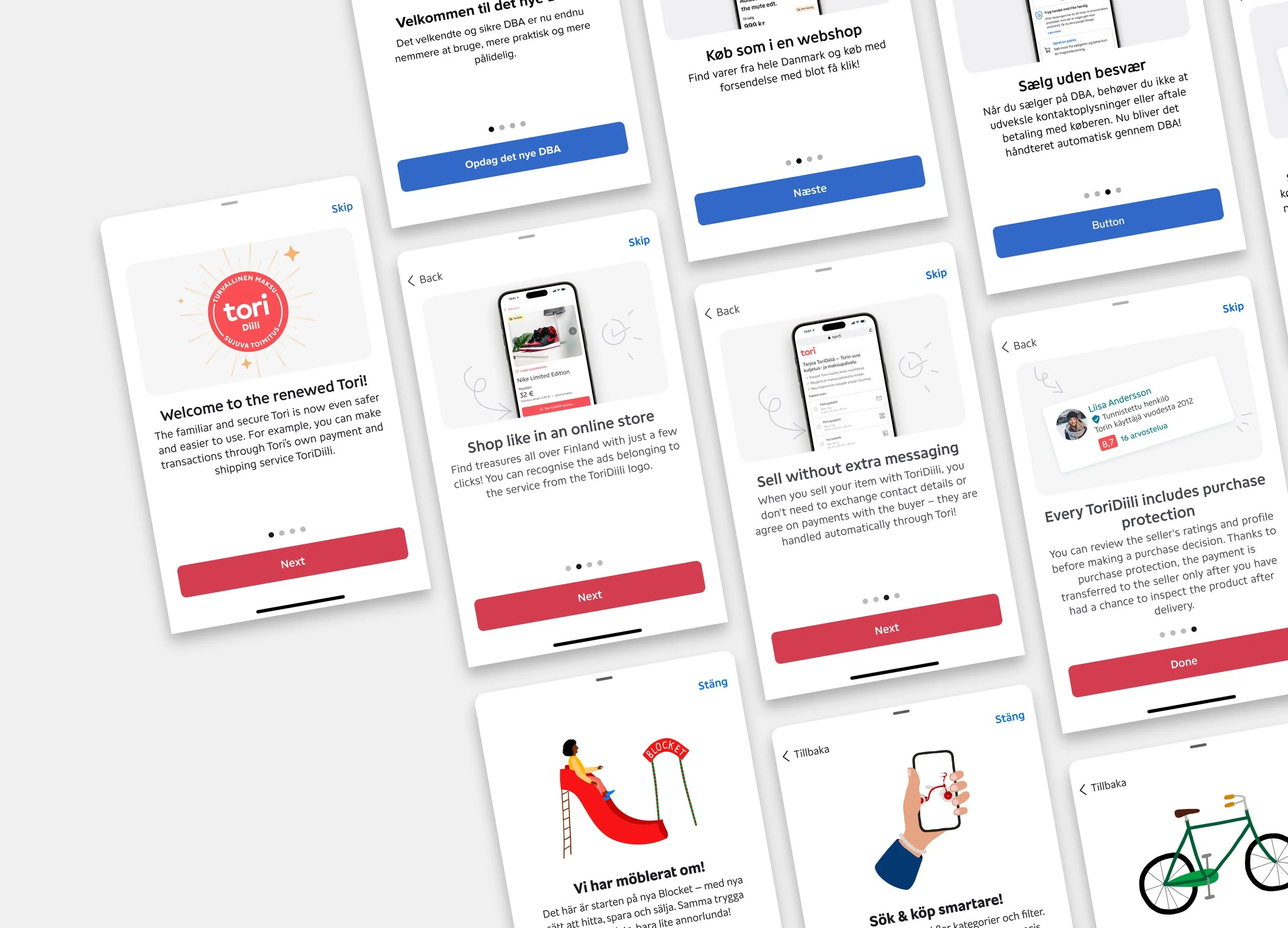
Another critical aspect of the transition was language and cultural adaptation. Beyond direct translation, we ensured that content, terminology, and tone of voice were tailored to each market so the experience felt natural and relevant for local users. This required close collaboration with UX writers and local designers across all four countries to maintain consistency while respecting linguistic and cultural differences.
One of the key challenges and learning processes was balancing local user needs with long-term product and technical goals across four different markets. We continuously gathered user feedback through in-product surveys and unmoderated usability testing to validate each iteration and inform upcoming releases. Synthesizing insights across countries, while aligning priorities with multiple teams and stakeholders, required ongoing collaboration, careful trade-offs, and a structured approach to delivering value at scale.